Sa’dabad director outlines major restoration, conservation push at former royal complex in Tehran

TEHRAN – The director of the Sa’dabad Cultural-Historical Complex says the former royal residence in northern Tehran has accelerated restoration and conservation work, completing a long-delayed digital inventory of its holdings while advancing new projects to safeguard thousands of stored objects.
In a recent meeting with cultural heritage reporters, Seyyed Mohsen Mir, director of the Sa’dabad complex, underlined that the months-long closure of museums during Iran’s 12-day conflict with the Israeli regime provided an opportunity for his staff to do restorations, reorganize and fully register all holdings.
Mir described a painstaking effort to document the complex’s 150,000 objects--excluding some 70,000 paper documents--into the JAM system, a comprehensive digital database managed by the government, adding that many objects had previously been registered only at the first of five required steps in the JAM system. “Out of the 150,000 items, only about 8,000 to 10,000 had been recorded—and not completely,” he said.
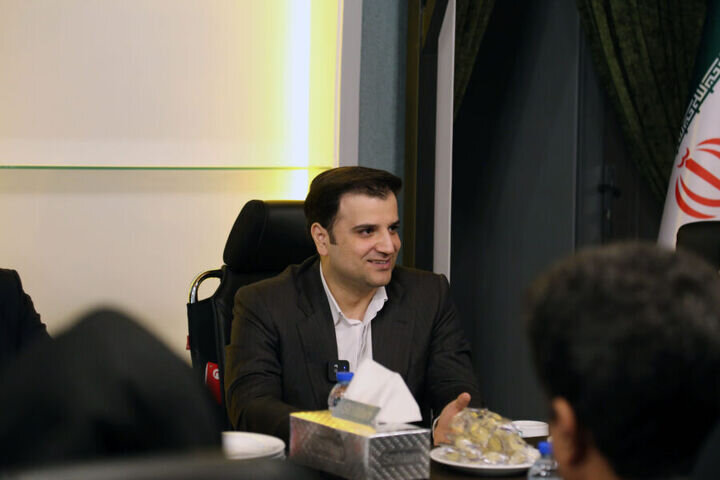
Seyyed Mohsen Mir, the director of the Sa’dabad Cultural-Historical Complex, in an undated photo.
The official then explained many assets had been listed only in old inventory books that had not been reviewed for years. “We knew the items existed in storage, but they had not been re-examined,” he told reporters. The recent effort, he said, required opening and rechecking the inventory books for the first time in more than four decades.
He said the scale of the project was unusual for the country and that the completion of the digital inventory allowed experts to identify objects they had not previously seen. “The process helped verify the presence and history of all items in storage.”
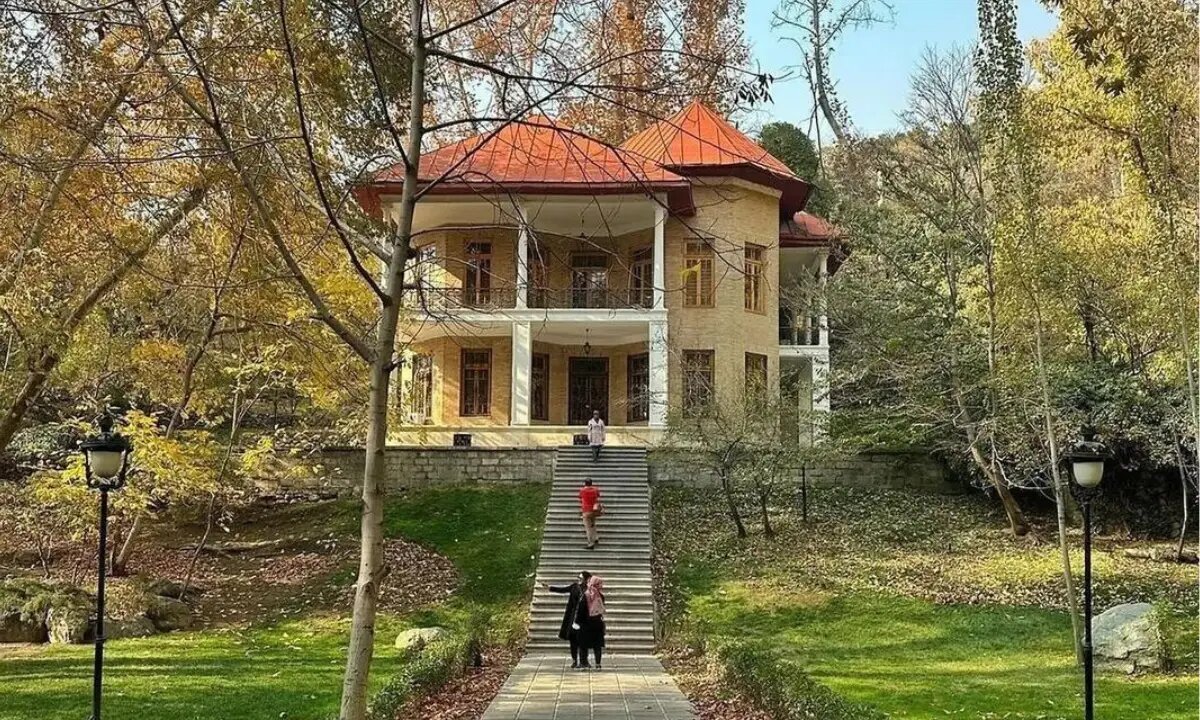
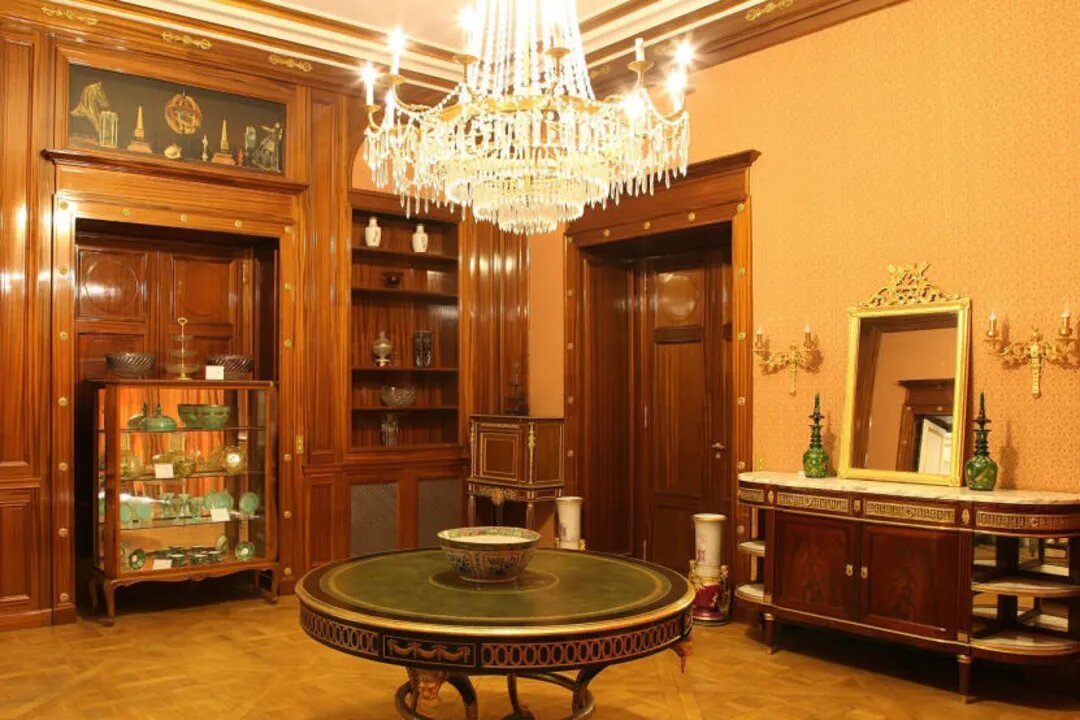
Elsewhere in his remarks, Mir referred to past rumors concerning the royal dishes museum within the complex, saying the recent audit clarified that no items had been lost or stolen. He said some objects had been transferred between museums or former royal residences under the supervision of the cultural heritage ministry and were fully documented.
He said the audit and simultaneous asset review improved transparency and resolved concerns raised in previous correspondence with oversight bodies. The ministry later announced that issues related to the inventory and registration system had been resolved, he said.
The official added that the digital inventory now allows museums to identify artworks and coordinate loans without relying on handwritten ledgers. He said many of the old ledgers were faint or difficult to read and had been checked against copies held by the economy ministry and the national museum directorate.
Responding to a question about the number of items on public display, he said out of the 150,000 registered-objects at Sa’dabad, only about 20,000 have been put on display. The rest had been kept in non-standard storage spaces and were vulnerable to damage.
He then lamented that the annual capacity for conservation remained limited. While 200 objects were recorded as restored in the complex’s performance report, about 2,000 were in need of conservation, he said. The in-house conservation team handled much of the work without additional cost, he added.
The then noted that about 5,000 items required restoration, but only a small portion could be treated each year, adding that deterioration increases over time and that budgeting and planning for outsourcing part of the work had already begun.
Archive museum reopens; total holdings rise to 220,000
Mir said the archive museum was closed when he took office. It was reopened after the return of its former asset registrar, who re-catalogued documents over a one-year period. He said about 70,000 documents were newly identified, bringing the total number of items at Sa’dabad to 220,000. Current work includes classification, scanning and disinfection of materials.
He said a cooperation agreement with the National Library was being finalized to support scanning, cataloguing and preservation tasks.
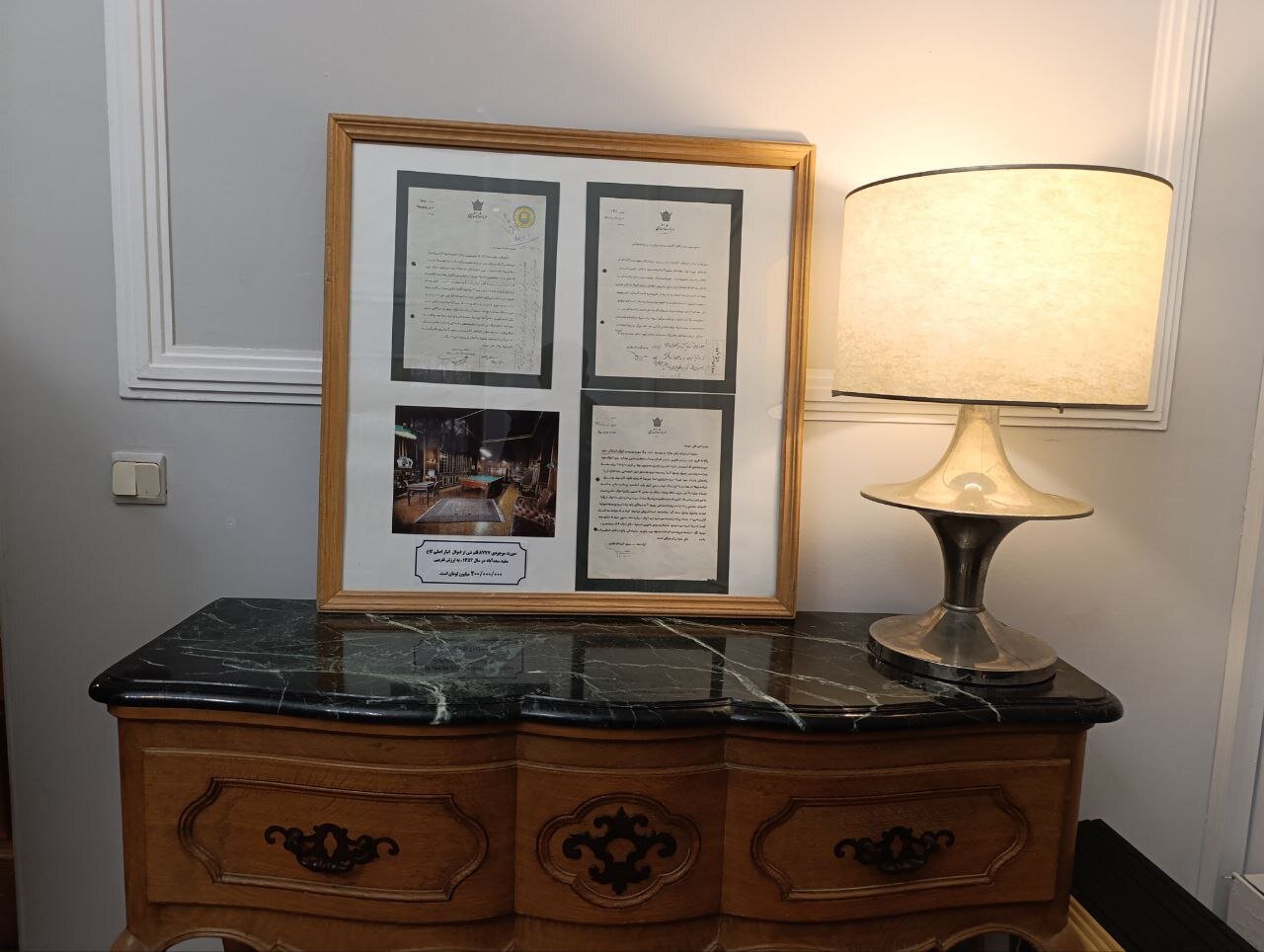
Quran Museum relocation increases visitors
Speaking about the relocation of the Quran Museum, he said the museum had previously been located in the Pastour neighborhood, a high-security area housing the Iranian president’s office, where restricted access resulted in very few visitors.
“Relocation to Sa’dabad increased attendance to at least 300 visitors per day, compared with as few as 30 visitors in a month-or even a year-at its former site.”
A brief history
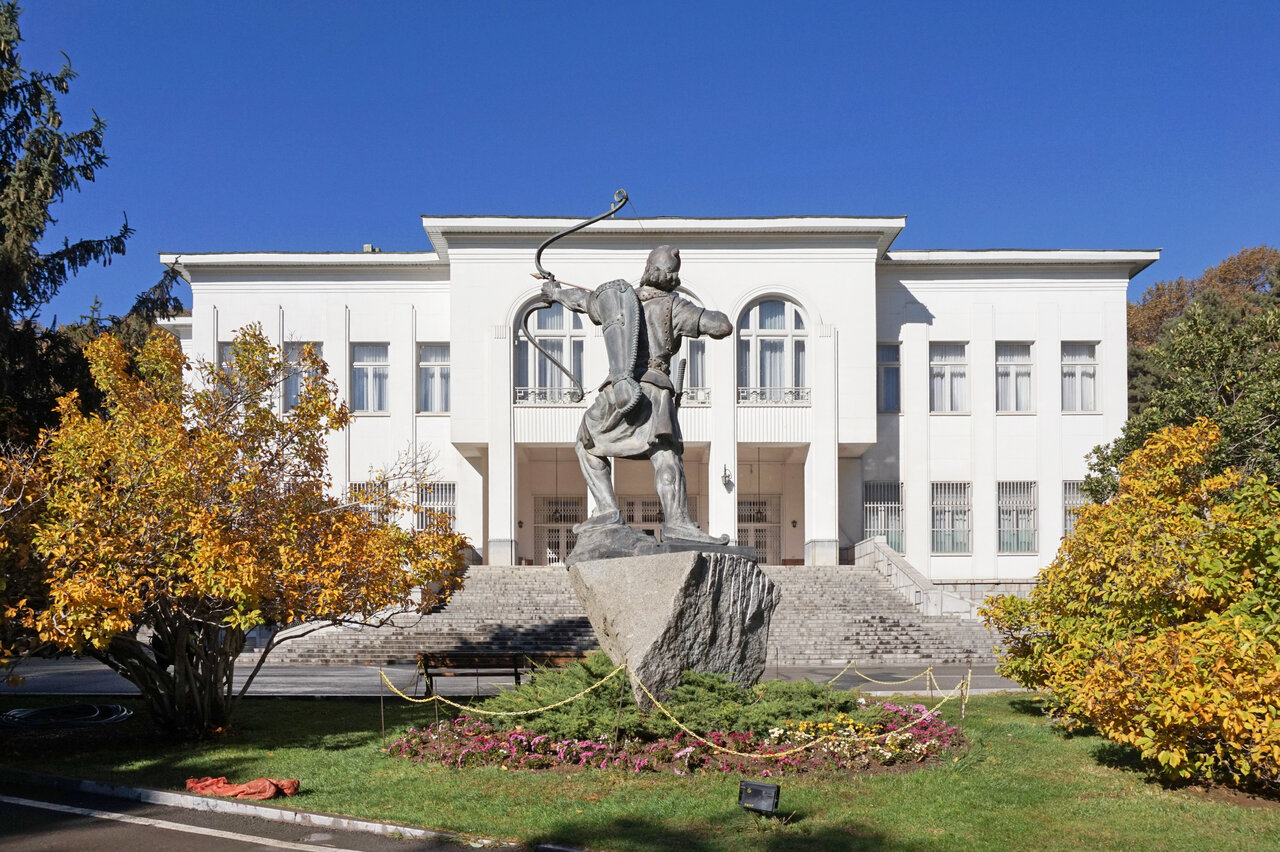
Covering roughly 110 hectares of wooded mountainside in northern Tehran, the Sa’dabad Cultural-Historical Complex stands as one of Iran’s most extensive royal estates. First developed in the 19th century, it served as a summer residence for Qajar monarchs, who built the earliest structures on the site. The complex underwent major expansion in the 1920s after Reza Shah of the Pahlavi dynasty made it his residence, a role it maintained until his exile in 1941. His son, Mohammad Reza Shah, later occupied Sa’dabad in the 1970s, using it as one of the main royal compounds during the final years of the monarchy.
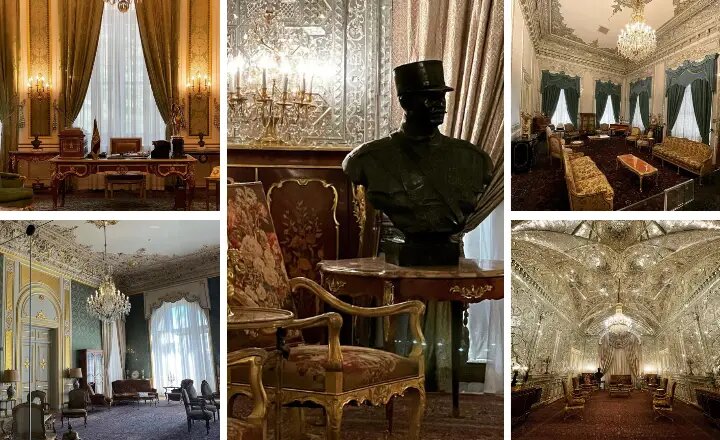
Sa’dabad also figured briefly in modern political history. In 1978, U.S. President Jimmy Carter stayed in the palace during his visit to Tehran, a trip aimed at demonstrating American support for the Pahlavi government. Following the 1979 Islamic Revolution, the complex was nationalized and transformed into a public museum.
Today, Sa’dabad is managed by Iran’s Ministry of Cultural Heritage, Tourism, and Handicrafts. Much of the estate has been converted into museums that exhibit a wide range of royal belongings, including furniture, dishware, carpets, miniature paintings, and vintage automobiles. However, a number of buildings remain in use by the Office of the President of the Islamic Republic of Iran, while the rest of the site welcomes visitors who explore its gardens, palaces, and collections.
AM
Leave a Comment